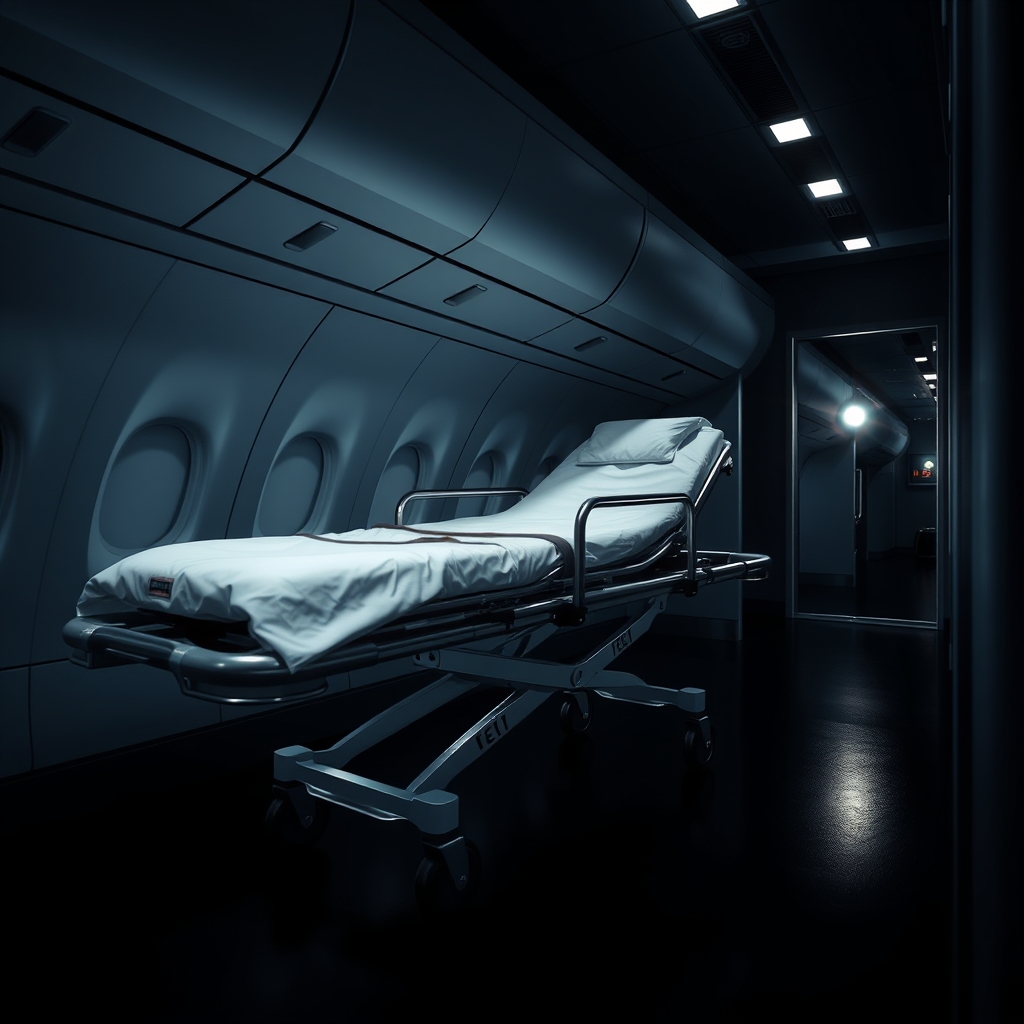
Understanding the Commercial Airline Stretcher: A Comprehensive Guide for Safe Medical Transport
Learn more about commercial airline stretcher and how it applies to your specific needs.
Traveling with a medical condition that requires lying flat during a flight is a complex challenge, but modern aviation has developed effective solutions. The is a specialized piece of equipment designed to allow patients to be transported safely on scheduled flights while receiving necessary medical care. This article explores the key aspects of using a stretcher on a commercial aircraft, from booking procedures to onboard care, helping patients, families, and medical professionals understand the process.
What Is a Commercial Airline Stretcher?
Learn more about airline stretcher Canada and how it applies to your specific needs.
A commercial airline stretcher is a lightweight, portable bed that can be securely installed inside the cabin of a passenger aircraft. It is typically used for patients who cannot sit upright for the duration of the flight due to injury, surgery, or chronic illness. The stretcher is attached to the aircraft’s seat tracks or floor fittings, ensuring stability during takeoff, turbulence, and landing. Airlines usually allocate a specific row or section of the cabin for the stretcher, removing several seats to create space. This service is often coordinated through a medical escort or air ambulance company that specializes in and other regions.
Who Needs a Commercial Airline Stretcher?
Patients who require a stretcher on a commercial flight include those with spinal injuries, recent surgeries, severe respiratory issues, or conditions that limit mobility. The stretcher allows the patient to remain flat, reducing pressure on the spine, improving circulation, and minimizing the risk of complications during travel. For example, a patient recovering from hip replacement surgery may need to keep the leg elevated and avoid sitting for long periods. Similarly, individuals with unstable fractures or those requiring continuous intravenous fluids benefit from the stretcher setup. The service is also used for repatriation, where a patient is transported from a foreign hospital back to their home country. In such cases, the option is popular among residents of that province needing transfers to or from major medical centers.
Booking and Preparation for Stretcher Transport
Arranging a stretcher on a commercial airline requires careful planning and early coordination. The process typically begins with a medical assessment by the patient’s doctor, who must complete a medical clearance form. This form confirms that the patient is stable enough to travel and specifies any required in-flight care, such as oxygen, medication, or monitoring. The airline must be contacted well in advance—often at least 48 to 72 hours before departure—to reserve the stretcher space. Not all airlines offer this service, and those that do have limited availability, usually on wide-body aircraft with more cabin space. The cost includes the stretcher fee plus the purchase of additional seats for the medical escort and equipment. For patients in western Canada, services like are available through specialized providers that handle all logistics, from booking to ground ambulance coordination.
In-Flight Medical Care and Safety Measures
Once onboard, the patient is transferred from a stretcher or gurney to the airline stretcher system. A medical escort, often a nurse or paramedic, accompanies the patient throughout the flight. The escort monitors vital signs, administers medications, and ensures the patient remains comfortable. The stretcher is equipped with safety straps to prevent rolling, and the patient is positioned to avoid pressure sores. Airlines require that the stretcher be placed in a location that does not block emergency exits or aisles. Oxygen tanks, suction equipment, and defibrillators may be carried onboard, provided they meet airline regulations. The cabin crew is trained to assist in emergencies, but the medical escort is the primary caregiver. In Alberta, where remote communities often rely on air transport for medical care, services complement commercial stretcher options by providing dedicated air ambulances for critical cases.
Comparison with Air Ambulance Services
Learn more about commercial airline stretcher alberta and how it applies to your specific needs.
While a commercial airline stretcher is a cost-effective alternative to a full air ambulance, it is not suitable for all patients. Air ambulances, such as those offered by providers, are fully equipped intensive care units with specialized medical teams. They can accommodate patients who require advanced life support, multiple intravenous lines, or ventilators. However, air ambulances are significantly more expensive—often tens of thousands of dollars—compared to a commercial stretcher, which may cost a few thousand dollars plus the price of additional seats. The choice depends on the patient’s medical stability, the distance of travel, and the urgency of the transfer. For stable patients who can tolerate a scheduled flight with a medical escort, the commercial stretcher is a practical option. In contrast, for time-sensitive or high-acuity cases, an air ambulance is necessary.
Legal and Insurance Considerations
Learn more about stretcher patient transport and how it applies to your specific needs.
Travel insurance policies often cover stretcher transport on commercial airlines, but patients must verify coverage before booking. Some policies exclude pre-existing conditions or require a doctor’s approval. It is essential to obtain written confirmation from the insurance provider that the service is covered. Additionally, the airline may require a waiver of liability, absolving it of responsibility for medical complications. Patients should also check visa and entry requirements for the destination country, especially if medical equipment is being carried. For Canadian residents, the service includes coordination with local health authorities to ensure compliance with provincial regulations. Families should keep copies of all medical records, prescriptions, and contact information for the medical team at the destination.
Future Trends in Commercial Stretcher Transport
As the population ages and medical tourism grows, the demand for stretcher services on commercial flights is increasing. Airlines are exploring modular cabin designs that allow quick conversion of seating areas into stretcher spaces. Some carriers now offer dedicated medical bays with power outlets for monitors and oxygen ports. Telemedicine capabilities are being integrated, allowing onboard medical escorts to consult with specialists on the ground in real time. These advancements improve safety and comfort for patients. Companies specializing in are also developing better training programs for escorts and streamlined booking systems. In regions like Alberta, where air travel is vital for accessing healthcare, the expansion of commercial stretcher services reduces the burden on air ambulance resources and provides more affordable options for families.
FAQs
What is the difference between a commercial airline stretcher and an air ambulance?
A commercial airline stretcher is a bed installed on a regular passenger flight, accompanied by a medical escort. An air ambulance is a dedicated aircraft configured as a flying intensive care unit, with a full medical team and advanced equipment. The commercial option is less expensive but requires the patient to be stable enough to travel on a scheduled flight.
How much does it cost to use a commercial airline stretcher?
Learn more about air ambulance alberta and how it applies to your specific needs.
Costs vary by airline and route, but typically range from $2,000 to $10,000, plus the price of additional seats for the escort and equipment. Insurance may cover part or all of the cost if the policy includes medical transport.
Can I book a commercial airline stretcher for a patient in Alberta?
Yes, many airlines offer stretcher services to and from major airports in Alberta, such as Calgary and Edmonton. Specialized providers like services can assist with arrangements and ensure compliance with local regulations.
What medical conditions require a stretcher on a flight?
Conditions such as spinal injuries, recent surgeries, severe fractures, respiratory failure, or any situation where the patient cannot sit upright for extended periods may require a stretcher. A doctor must provide medical clearance to confirm the need.
How far in advance should I book a stretcher on a commercial flight?
It is recommended to book at least 48 to 72 hours before departure, but earlier is better due to limited availability. The airline needs time to remove seats and install the stretcher system.