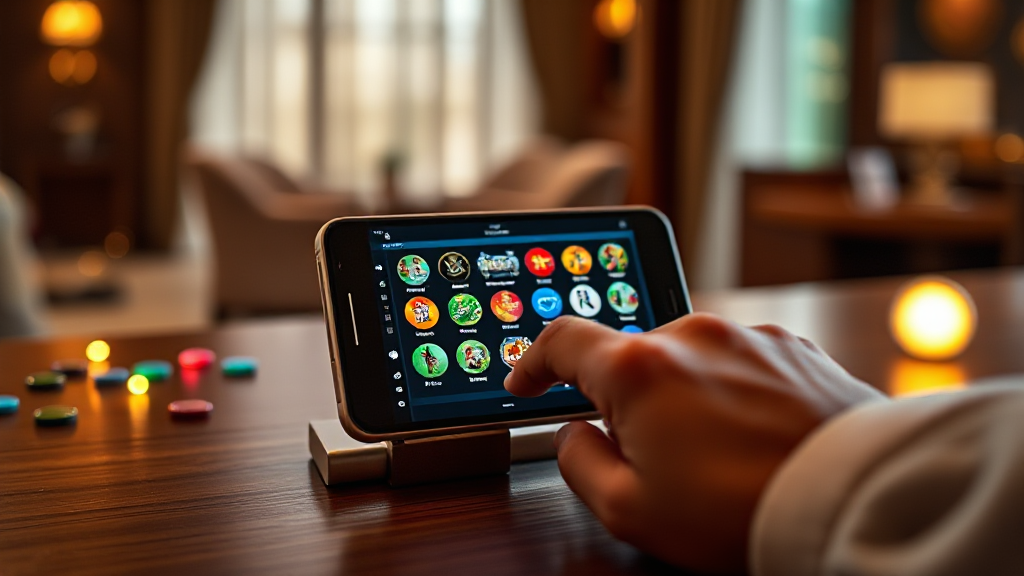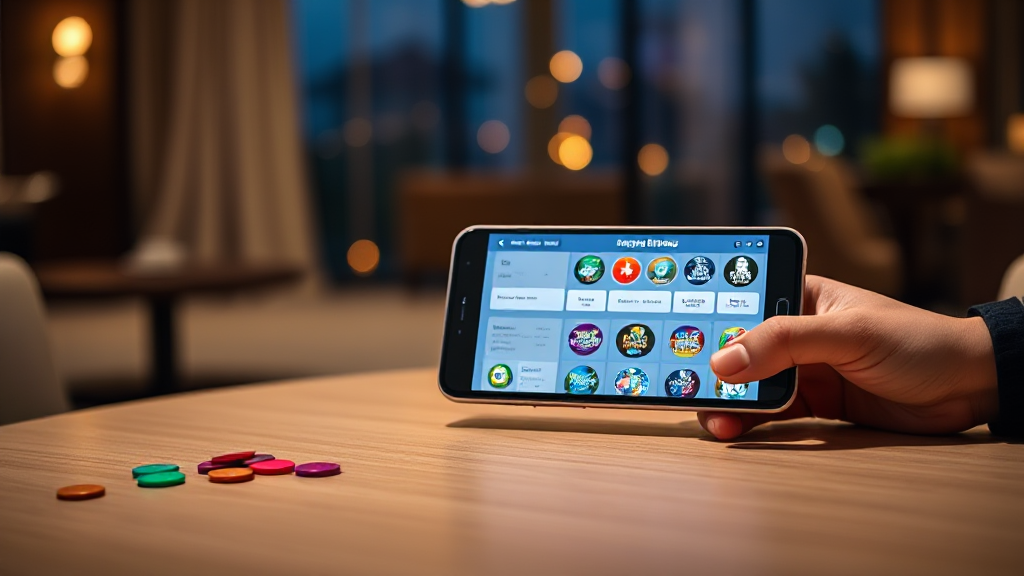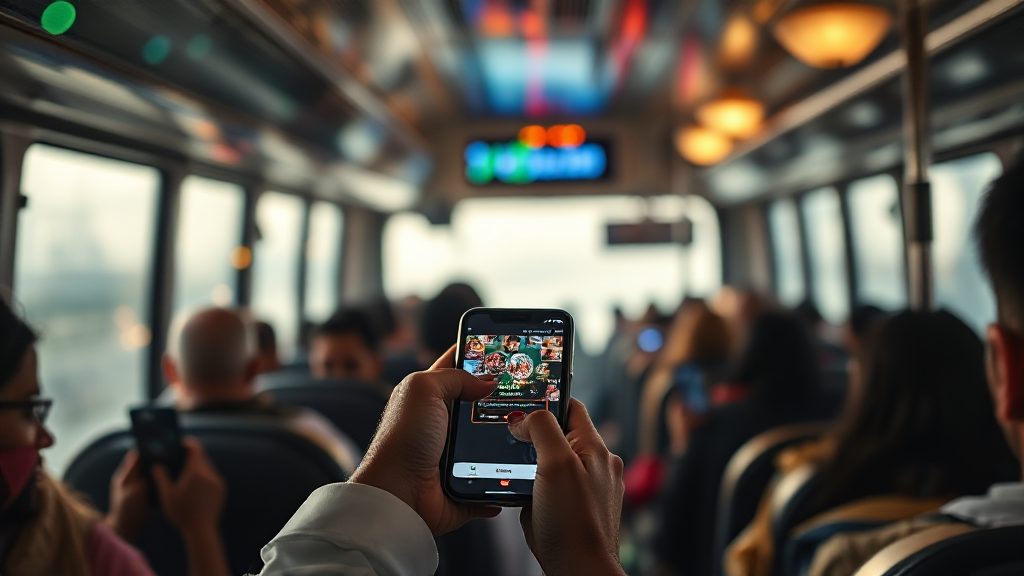
Betting in the Gaps: tk999 on Commutes and Trips
The bus is packed, the window is fogged, and a phone screen glows in almost every hand. Somewhere between one stop and the next, a commuter opens tk999, checks a line, and makes a decision that takes less time than the traffic light ahead. Does the setting change the decision? It changes the attention you bring to it — and that is the part worth examining.
This is not a review of odds or a list of markets. It is an observation of how a betting app behaves when it lives inside the gaps of a day: the twenty minutes on a crowded bus, the queue at a counter, the quiet hour in a hotel room, the late-night scroll before sleep. The context around the screen shapes how you use it, and tk999 is built for exactly that kind of mobile-first, in-between use.
The commute: quick checks and divided attention
On a moving bus or a packed train, attention is already split. One ear listens for the stop announcement, one hand holds a rail, and the remaining focus goes to the phone. In that state, people rarely study a full market. They glance at a match they already know, confirm a selection they planned earlier, or close the app and put it away.
The commute is where tk999 functions as a confirmation tool rather than a research tool. If you have already decided what interests you, the app is quick. If you have not, the moving environment makes careful comparison difficult. Divided attention is the defining condition of commute-time betting.
There is also a social dimension. A phone screen on a crowded bus is semi-public. Notifications, balance displays and odds pages can be glimpsed by the person beside you. Many users learn to keep the screen close and the volume low, treating the app as a private object in a public space.
What the commute encourages
- Short sessions measured in seconds, not minutes
- Pre-planned selections rather than spontaneous browsing
- Low tolerance for slow loading or unclear buttons
The queue: waiting time and the temptation to fill it
A queue is a strange kind of time. You are not free to leave, but you are not doing anything either. That emptiness is exactly where mobile apps earn their place. People open tk999 while waiting for a bank counter, a doctor’s appointment or a food order, not because they planned to bet but because the phone is already in hand.
This is the setting most likely to produce an unplanned session. The queue removes the friction of finding a moment to open the app, and friction is often what keeps decisions deliberate. Waiting time can turn a planned check into an impulsive one.
The practical response is simple: decide before you open the app whether this is a planned session or a time-filler. If it is a time-filler, keep the stakes small or skip it entirely. The queue will end whether or not you place a bet.
How to keep queue sessions intentional
- Ask yourself why you opened the app.
- Set a time limit before you start, not after.
- Close the app when the queue moves, not when a market resolves.
Trips and travel: longer sessions, different rhythm
Travel changes the shape of the day. A long train ride, a flight delay or an evening in an unfamiliar city creates blocks of time that are genuinely free. Here, tk999 can be used the way people use any entertainment app on a trip: a way to pass an hour, follow a match, or check a result from home.
The rhythm is slower than the commute. People browse more, compare more, and read more of the interface. That extra time can be useful, but it also raises the risk of overthinking a decision or extending a session well past the point of enjoyment.
Travel also brings practical constraints. Data roaming, battery life and unfamiliar Wi-Fi networks all affect how the app performs. A session that starts on hotel Wi-Fi and continues on mobile data can behave differently, and a drained battery at the wrong moment is its own kind of frustration. Travel sessions reward preparation more than spontaneity.
Travel checklist for mobile betting
- Confirm your data plan or Wi-Fi before a long session
- Keep the phone charged and avoid running the battery low
- Use the downloadable app rather than a browser when the connection is weak
Late night: the quietest and riskiest setting
The last setting is the bedroom, the sofa or the balcony after everyone else has gone to sleep. The phone is the only light, the house is quiet, and there is no one to interrupt a session. This is where attention is at its most focused and its most vulnerable.
Late-night sessions tend to be longer and less structured. Without the natural boundaries of a commute or a queue, there is nothing to end the session except the user’s own decision. That is why the late-night context deserves the most caution. Quiet and privacy make late-night sessions comfortable, but comfort is not the same as control.
If you notice that late-night sessions are becoming routine, treat that as information. It may mean the app has moved from entertainment into habit, and habits are easier to adjust early than late.
Why context changes the experience
The same app can feel different depending on where you are. On a bus, it is a quick check. In a queue, it is a temptation. On a trip, it is entertainment. At midnight, it is a private ritual. The interface does not change, but the user does.
This is why tk999 is best understood as a platform that fits into daily life rather than replacing it. The app offers registration, a downloadable mobile version and a betting interface designed for small screens, and those features matter most in the gaps of a day. The setting shapes the decision more than the screen does.
| Setting | Typical session | Main risk |
|---|---|---|
| Commute | Seconds to a few minutes | Divided attention |
| Queue | One or two quick checks | Impulsive opening |
| Trip | Longer, browsing-heavy | Overthinking and connection issues |
| Late night | Extended, unstructured | Loss of boundaries |
Making the gaps work for you
None of this is about avoiding the app. It is about noticing which settings bring out your better decisions and which bring out your worse ones. A commuter who checks a planned selection and puts the phone away is using tk999 well. A queue-stander who opens the app out of boredom is using it differently, even if the screen looks the same.
The practical habit is to match the session to the setting. Short gaps suit short checks. Long trips suit planned, relaxed sessions. Late nights suit restraint, or none at all. Context is not an excuse; it is a signal.
When you next find yourself on a crowded bus with a phone in hand, ask the question again: does the setting change the decision? Often it does. The useful skill is knowing that before you open the app, not after.